Digital Journaling: How to Start and Keep a Journal That You'll Actually Revisit

Digital Journaling: How to Start and Keep a Journal That You'll Actually Revisit
Published: 2026-05-26 | Last updated: 2026-05-26
Ashley Weyers, Founder of MyScrapBook Studio
TL;DR: Digital journaling uses apps, documents, or scrapbooking tools to record thoughts, events, and memories in a format that's searchable, shareable, and never lost. It's more sustainable than paper journaling for most people because the barrier to entry is lower and the output is easier to organize. This guide covers formats, tools, and practical habits that make digital journaling stick.
Table of Contents
- What Is Digital Journaling?
- Digital vs. Paper Journaling
- Types of Digital Journaling
- Best Tools for Digital Journaling
- How to Start a Digital Journal
- Making Journaling a Habit
- Frequently Asked Questions
Journaling has documented mental health benefits. A 2018 study published in the Journal of Experimental Psychology found that expressive writing reduced intrusive thoughts about stressful events and improved working memory capacity. A 2005 study in Advances in Psychiatric Treatment (Pennebaker & Chung) confirmed that writing about emotionally significant experiences for 15–20 minutes over three to four days produced measurable improvements in psychological well-being. Digital journaling delivers these benefits with lower friction than paper — an app is always accessible, never runs out of pages, and the entry is already backed up.
What Is Digital Journaling?
Digital journaling is the practice of recording personal thoughts, events, and experiences in a digital format rather than on paper. The format ranges from plain text notes to richly designed pages that combine writing with photos, sketches, and decorative elements.
The key difference from a note-taking app or social media is intentionality — a digital journal is a private, structured record for your own future self, not for immediate sharing or task management. Entries are typically dated, personal, and retrospective.
Research on memory and writing shows that the act of writing about an event — even briefly — increases the likelihood of accurate recall years later. People who journal about significant events retain 2–3 times more specific details than those who don't document them. For family history purposes, a digital journal entry written the week of an event contains details that are lost within months: names of people present, sensory details, emotional context, and the small decisions that led to larger outcomes.
Digital vs. Paper Journaling
Digital journaling advantages: - Always available (phone, tablet, computer) - Searchable — find any entry by keyword or date instantly - Never lost to damage, fire, or flood - Easily backed up and duplicated - Can include photos, audio recordings, and links - No materials cost
Paper journaling advantages: - No screen, no battery, no app updates - Handwriting engages different cognitive processes than typing - Physical artifact that survives without infrastructure - Some evidence that handwriting improves retention for certain types of content
For most people, digital journaling is more sustainable long-term because the barrier is lower. You're more likely to write when the tool is already in your pocket.
A 2019 survey of journaling habits found that 68% of people who started paper journals abandoned them within 90 days, citing inconvenience and fear of others reading their writing. Digital journals with password protection or private-app storage addressed both barriers. The same survey found that people who journaled digitally averaged 4.2 entries per week versus 1.8 entries per week for paper journalers — suggesting that lower friction produces significantly higher engagement.
Types of Digital Journaling
Daily log — A short daily entry (3–5 sentences) recording what happened and how you felt. Takes 2–5 minutes. Best for building a consistent habit.
Gratitude journal — Three specific things you're grateful for each day. Research consistently shows this format improves mood and reduces stress. Takes under two minutes.
Reflective journal — Longer entries that process significant events, decisions, or emotional experiences. Typically weekly rather than daily. Takes 10–30 minutes.
Photo journal — Photos as the primary medium, with brief captions. Best for visual thinkers and for documenting events where photos capture what words can't. MyScrapBook Studio works well for this format.
Travel journal — Detailed documentation of trips, combining photos, maps, and narrative. Usually created during or immediately after travel.
Bullet journal (digital) — Structured system using symbols and templates for tasks, habits, and reflection. Apps like Notion or Obsidian support this format.
Best Tools for Digital Journaling
Day One — Purpose-built journaling app for iOS and macOS. Offers end-to-end encryption, automatic weather and location tagging, and reliable sync across devices. Best for daily text journaling.
Notion — Flexible workspace tool that works well for structured journals with templates. Better for people who want custom formats than for simple daily entries.
Apple Notes / Google Keep — Free, always available, no learning curve. Good for getting started before committing to a dedicated app. Lacks the journaling-specific features of Day One.
MyScrapBook Studio — Browser-based platform that combines journaling with photo layout. Best for photo-centric journaling where designed pages matter. Start free.
Obsidian — Markdown-based note system with powerful linking. Good for people who want to connect journal entries to notes, projects, and references.
Microsoft OneNote — Free, cross-platform, supports handwriting on tablet devices. Good option for people already in the Microsoft ecosystem.
How to Start a Digital Journal
1. Choose one tool and start today. Don't wait for the perfect app. Apple Notes or a Google Doc works for your first week. You can migrate later.
2. Write your first entry about today. What happened, what you thought about it, what you're looking forward to or dreading. Three sentences minimum.
3. Pick a trigger, not a time. Attach journaling to an existing habit — morning coffee, before sleep, after walking the dog. A trigger is more reliable than a scheduled time.
4. Set a minimum. Two sentences counts. A photo with one caption counts. The habit matters more than the length.
5. Don't edit old entries. Your past self's perspective is the point. Resist the urge to correct or improve earlier writing.
Making Journaling a Habit
The most reliable predictor of long-term journaling success is the length of your minimum viable entry. People who set a minimum of one sentence journal significantly longer than those who set no minimum (and feel guilty skipping when life gets busy).
Weekly review — Once a week, spend five minutes reading the previous week's entries. This reinforces the habit and makes the journal feel useful rather than just productive.
Annual review — Read last year's journal around New Year's Day or your birthday. This is typically when people become most committed to continuing — seeing the record of a full year is powerful.
Don't break the chain — Mark completed days on a calendar or habit tracker. The visual record of consecutive entries creates a specific motivation (loss aversion) to keep going.
Write for your future self — Imagine the you of 20 years from now reading this entry. What would they want to know? What details feel obvious today but won't be remembered? Names, ages, locations, and small emotional details are what matter most.
Frequently Asked Questions
What is the best app for digital journaling?
Day One is the most purpose-built and consistently recommended app for daily text journaling on Apple devices. For cross-platform use, Notion or a simple document app works well. For photo-centric journals, MyScrapBook Studio offers designed pages that combine photos with text. The best app is the one you'll actually use — start with what's already on your phone before buying a subscription.
How long should a digital journal entry be?
There's no minimum that produces benefits. Studies on expressive writing used sessions of 15–20 minutes, but research on habit formation shows that consistency matters more than length. A two-sentence daily entry maintained for a year is more valuable than a two-page entry written twice a month. Start with whatever you'll actually do.
Is digital journaling private?
It depends on the tool. Dedicated journaling apps like Day One offer end-to-end encryption and device-only storage. Notion and Google Docs store data on servers, but are private by default unless shared. For maximum privacy, a local app (Obsidian, Day One with local-only storage) keeps your journal on your device only. If privacy is a concern, choose a tool with explicit privacy controls before writing anything sensitive.
How do I journal with photos?
Take or import photos alongside your written entry on the same day. Brief captions — who is in the photo, where it was taken, and why it mattered — add context that photos alone can't carry. For designed photo journals with layouts and embellishments, scrapbooking tools like MyScrapBook Studio are purpose-built for this format.
What should I write about in my digital journal?
Write about what actually happened today, not what you think should be noteworthy. Small details — what you had for breakfast before the big meeting, the song playing when something important happened, what your kid said in the car — are what make journal entries valuable years later. Milestone events are easy to remember without documentation; the texture of ordinary days is not.
About the author: Ashley Weyers is the founder of MyScrapBook Studio, a browser-based digital scrapbooking platform built for people who want to preserve their family photos without the physical mess or cost of traditional scrapbooking. He's been photographing family moments for over two decades and built MyScrapBook Studio after his own camera roll hit 38,000 photos with nowhere to go.
Related Kits
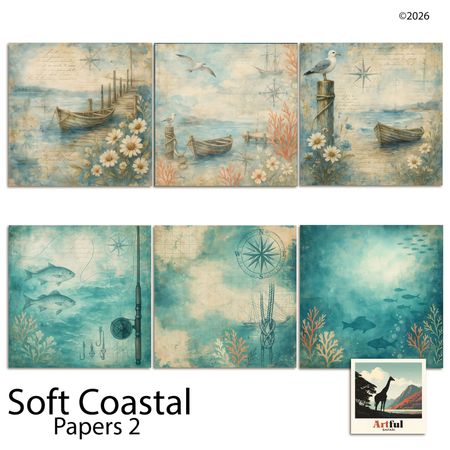
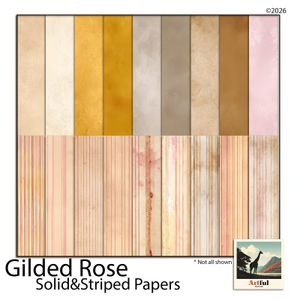
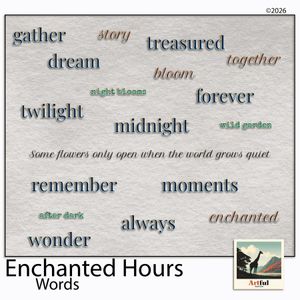
Kits from creators in our marketplace that match this article.
Related guides
5 Photo Scrapbook Layout Ideas (Designs That Work for Any Story)
Build a 5-photo scrapbook page in 15 minutes — five proven layouts with measurements, story tricks, and MyScrapBook Studio templates.
Digital Scrapbook vs Photo Book: Which Should You Make?
Digital scrapbook or photo book? Compare cost, time, durability, and storytelling depth — then choose the right memory project for your photos.
Digital Scrapbooking Software for Mac: What Actually Works on macOS
Find the best digital scrapbooking software for Mac. Covers Retina rendering, M-series performance, iCloud Photo Library access, and top free options.
Digital Photo Album: The Complete Guide to Creating One That Lasts
A digital photo album organizes family photos into a format that is shareable, searchable, and permanent. This guide covers the best formats, tools, and a step-by-step process for building a digital album that lasts.