Scrapbook Ideas on Pinterest: 5 Types and How to Use Each

My scrapbooking board has 214 pins on it. Last year I made four pages.
That gap is the real problem with scrapbook ideas on Pinterest, and it is not a motivation problem. The fix is to stop treating the board as one giant pile and start sorting every pin by what it actually gives you: a full layout, a color palette, a title style, a theme, or one small detail. Save with that filter in mind, keep a short working set, and each pin points at a single decision you can copy into a digital page in minutes.
Key Takeaways
- Most scrapbook ideas on Pinterest are one of five things: a full layout, a color palette, a title or lettering style, a theme or prompt, or a single detail. Name which one before you save.
- Saving is high intent, not idle browsing. 93% of weekly Pinners use the platform to plan, according to Sprout Social's 2026 Pinterest data. The missing piece isn't wanting to make the page; it's a fast path from a saved idea to a finished one.
- Keep a short "make next" board of 8–12 pins. A working set gets built. A 200-pin archive gets scrolled.
- The rule of three is the quickest fix for a stiff page: group elements in odd numbers so the eye moves in a triangle.
- In a digital editor you can lift a pin's palette with an eyedropper and drop your own photos into the same grid, so copying a look takes minutes, not an afternoon.
What kind of scrapbook ideas does Pinterest actually give you?
Almost every scrapbook pin you save is really one of five things: a full layout, a color palette, a title or lettering treatment, a theme or prompt, or a single detail like a rounded photo corner. Naming which one you're after before you hit save is what turns a board from a hoard into a working toolkit. Once you know what a pin is for, you know exactly what to pull from it and what to ignore.
Here is how the five types break down:
- Full layouts give you a skeleton: how many photos, how they sit in a grid, where the title goes. Steal the structure, not the photos.
- Color palettes are the easiest win. A pin you love is often just three or four colors you want to reuse.
- Title and lettering styles show you font pairings: a bold serif headline over a quiet body font, or a script word used once for contrast.
- Themes and prompts are ideas like "a day in the life" or "first year, month by month." These shape the story, not the visuals.
- Single details are one technique worth borrowing: a strip of three small photos, a thin frame, a date stamp in the corner.
| What you saved | What to actually pull from it | How to build it digitally |
|---|---|---|
| Full layout | Photo count, grid, and where the title sits | Rebuild the grid, drop in your own photos |
| Color palette | Three to four colors (not the photos) | Match them with the eyedropper / color picker |
| Title or lettering | The font pairing and size contrast | Pair a serif headline with a simple body font |
| Theme or prompt | The angle or story | Use it as the page's subject, not its look |
| Single detail | One technique to reuse | Apply just that detail to your own layout |
For a deeper walk-through of reading a layout's bones, our guide to nine Pinterest layouts worth copying breaks down the structure inside common pins.
How to organize your scrapbook ideas on Pinterest
The fastest way to make scrapbook ideas on Pinterest usable is to split one bloated board into a few honest buckets and keep a tiny working set on top. Pinterest lets you add sections inside a board, so you don't need ten boards, just a little order inside one. The goal is that when you sit down to make a page, you are choosing from a dozen pins, not scrolling past two hundred.
Three moves do most of the work:
- Add sections by type or event. A "Layouts" section, a "Color combos" section, a "Titles" section. Or sort by event: birthdays, trips, baby's first year. Either way, future-you can find the right kind of idea fast.
- Keep one "make next" board, capped at about 12 pins. This is your shortlist of pages you actually plan to build soon. When you finish one, you delete it from the shortlist and pull in the next.
- Prune once a month. If a pin has sat there for a year untouched, it is decoration, not a plan. Removing it is not a loss.
This is the step most idea posts skip. They assume you already have a clean board and jump straight to building. In practice, the curation is what unsticks the whole thing.
From a saved pin to a finished page
Once your shortlist is set, the build is short. Lead with the pin, not a blank canvas.
1. Pick one pin from your shortlist
Choose a single pin and decide which of the five types it is. A full layout? You'll copy the grid. A palette? You'll only borrow the colors. Naming the type keeps you from trying to recreate the whole image exactly, which is where most pages stall.
2. Read its skeleton
Count the photos and notice the grid: one hero photo with two small ones, a tidy 2x2, a vertical strip. Note where the title and any text sit. That structure is the part worth copying. For the design logic behind why certain skeletons feel balanced, see our piece on turning a single pin into a finished page.
3. Match the palette with the eyedropper
In the MyScrapBook Studio editor, open a background or shape, pick the color tool, and use the eyedropper to sample the exact tones from your reference. Three or four colors is plenty. This is the single biggest reason a digital page can echo a pin you love in a couple of minutes: you are matching colors directly instead of guessing.
4. Drop in your photos and title
Add your own photos into the grid and let them snap into alignment. Set a serif headline for the title, group small elements in threes, and you're done. If you'll reuse the structure, save the finished page as a template so the next trip or birthday page starts half-built. Our layouts that actually work post has more reusable structures to start from.
Last weekend I rebuilt a three-photo travel layout I'd had saved for months. I lifted a warm sepia palette straight off the pin with the eyedropper, dropped in three photos from a weekend away, set a serif title across the top, and grouped a small date and two icons in a triangle near the corner. Ten minutes, and a pin that sat untouched for half a year was finally a real page.
Trends worth saving in 2026 (keep them digital)
Some 2026 ideas translate cleanly to a screen and some don't. Skip anything that depends on physical supplies and save the looks you can rebuild digitally. Design watchers tracking 2026 journaling trends point to a few that work well as digital pages:
- Warm, sun-faded palettes: muted earth tones, soft pastels, and sepia-leaning neutrals instead of high-contrast brights.
- Gingham and botanical backgrounds: small checks and pressed-fern patterns as a quiet base layer behind your photos.
- Mixed typography: a typewriter or bold serif headline paired with a delicate script used sparingly for one or two words.
- Clean grids with breathing room: fewer elements, more open space, photos doing the talking.
Save a couple of these as palette and title references, not as pages to copy wholesale. A trend is most useful as one ingredient, not the whole recipe.
FAQ
What is the rule of three in scrapbooking?
The rule of three means grouping elements in odd numbers, usually threes, so the eye travels across the page in a triangle instead of stopping in a straight line. Three small photos, three repeated accent colors, or three matching icons all create that balanced, unstiff feel. It's the quickest single fix for a page that looks flat. Our Pinterest-to-page guide covers it in more depth.
What is trending in scrapbooking right now?
In 2026 the direction is warmer and simpler: faded earthy palettes, gingham and botanical backgrounds, mixed serif-and-script titles, and clean grids with plenty of open space. Heavily decorated, busy pages are giving way to fewer elements and bigger photos.
What are some easy scrapbook ideas to start with?
The easiest pages are a single hero photo with a short title, a tidy three-photo strip, or a 2x2 grid of one event. Start with a pin from your shortlist that uses one to four photos, match its colors, and add your own images. Low photo counts finish fast and still look composed.
How do you make a scrapbook page look pretty?
Limit yourself to three or four colors, give photos room to breathe, and group small elements in threes. A consistent palette and a little white space do more for a page than extra decoration. Matching a palette you already liked on Pinterest is the shortcut to a page that feels pulled together.
Ready to build a few of them?
Pull up your shortlist, pick one pin, and rebuild it in the editor while the idea is fresh. Start with the palette and the grid, add your photos, and you'll have turned a saved idea into a real page before the coffee's cold. The board was never the project. The pages are.
Related Kits
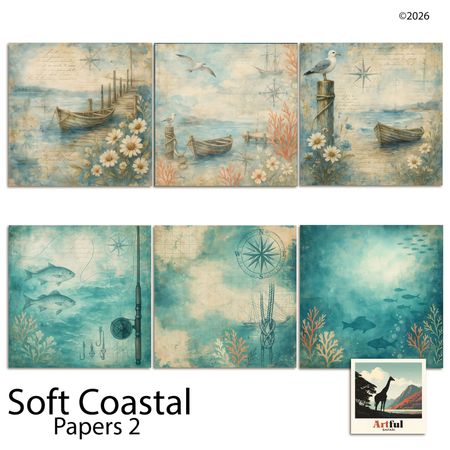
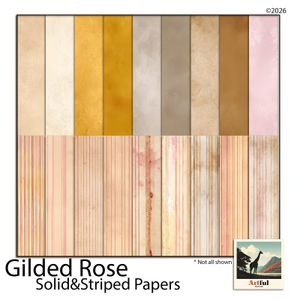
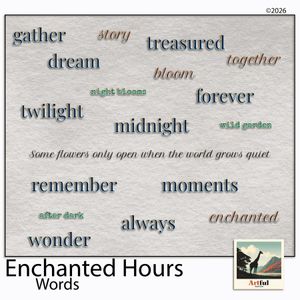
Kits from creators in our marketplace that match this article.
Related guides
Scrapbook Ideas Pinterest Gives You: How to Actually Build Them
You pin scrapbook ideas Pinterest serves up, then never build them. Here's how to choose the best pins and rebuild them as finished digital pages.
Pinterest Scrapbook Ideas: 9 Layouts to Build Digitally
Saved 200 pins and made zero pages? Here are 9 Pinterest scrapbook ideas worth copying and the fast way to build them on a screen, no supplies.
Photo Collage Ideas for Wall: 9 Layouts to Design Digitally
Photo collage ideas for wall that start on a digital canvas: plan the grid, size each frame, and arrange the whole display before anything gets printed.
Scrapbook Page Ideas Pinterest Saves: 9 Digital Layouts
The scrapbook page ideas Pinterest users save most, rebuilt as digital layouts you can make in minutes, plus how to recreate each one yourself.