Digital Scrapbooking Programs: How to Pick the Right One

You open a tab, type "best software for scrapbooking," and twenty minutes later you have nineteen options, four of them cost more than your last pair of shoes, and you still haven't made a single page.
Here's the short answer. The best digital scrapbooking programs fall into three groups: heavyweight photo editors like Photoshop (most control, steepest learning curve), simple drag-and-drop makers like Canva (fastest start, least flexibility), and purpose-built scrapbook tools like MyMemories or MyScrapBook Studio (templates, kits, and layout features made for memory pages). The right pick depends on one thing: whether you want to learn an editor or just make pages tonight. Below is how each group actually behaves, a side-by-side table, and the questions that sort them out in about two minutes.
TL;DR
- Want pages tonight, no install? Use a browser-based tool — MyScrapBook Studio or Canva. Nothing to download, templates ready to go.
- Want maximum creative control and you'll invest the hours? Photoshop or Photoshop Elements, which support layers and PSD scrapbook templates.
- Photoshop Elements is the usual middle ground — layers and template support without the full Photoshop price or complexity.
- The market is moving online. The digital scrapbooking market is projected to grow from $3.5 billion in 2025 to $7.5 billion by 2033 (about 12% a year), per market analysis reported by Accio.
- Match the program to your habit, not the feature list. The "best" program is the one you'll actually open twice a week.
What software is best for digital scrapbooking?
There is no single best program — there's a best program for how you work. If you want a short learning curve and shareable pages, a browser-based scrapbook maker wins. If you want frame-by-frame control over shadows, blending, and masking, a full photo editor wins. Most people overbuy: they pick the powerful tool, hit the wall of its complexity, and stop.
A quick way to sort yourself:
- "I want to start in five minutes." → A dedicated online scrapbooking tool with templates and drag-and-drop layout.
- "I already know Photoshop / I want to learn it." → Full Photoshop, paired with PSD scrapbook kits.
- "I want layers and templates but not the Photoshop price." → Photoshop Elements, frequently recommended for beginners because it handles PSD templates and feels far more approachable.
This shift toward easier, online-first tools is the dominant story in memory keeping right now. According to memory-keeping educator Katie the Creative Lady, 2026 pages are trending cleaner and faster — phone photos, screenshots, and quick notes are now a normal part of a layout, not an exception. The tools that make that quick are the ones people stick with.
Digital scrapbooking programs compared
The fastest way to choose is to see the trade-offs in one view. Every program below makes good pages; they ask for different amounts of your time and money to get there.
| Program | Best for | Learning curve | Cost model | Runs in browser? |
|---|---|---|---|---|
| MyScrapBook Studio | Templates + kits, fast pages, sharing | Low | Web app | Yes |
| Canva | Quick drag-and-drop graphic pages | Low | Free + paid tier | Yes |
| Photoshop Elements | Layers + PSD templates, mid-range control | Medium | One-time purchase | No |
| Adobe Photoshop | Maximum control: blending, masking, shadows | High | Subscription | No |
| MyMemories | Downloadable kits + classic scrapbook software | Medium | Software + kit shop | No |
Two honest caveats. Canva is the easiest open-and-go option, but it gives you limited control over realistic shadows and blending, so it can feel tight as your skills grow. Photoshop gives you everything and a learning curve to match — wonderful if you'll invest the hours, frustrating if you just wanted a Father's Day page done by Sunday.
How to choose a digital scrapbook program in 4 steps
Skip the review marathon. Answer these in order and the field narrows itself.
1. Decide: install or browser?
If you don't want to download or update software — or you hop between a laptop and a tablet — choose a web-based program. Online scrapbooking tools run in the browser, so your pages live in your account and follow you to any device. If you're happy installing desktop software and keeping files locally, a downloadable program like Photoshop Elements or MyMemories is on the table.
2. Decide: templates or blank canvas?
Templates are the single biggest time-saver for beginners. A program with ready-made layouts means you drop photos into spots that already look balanced, instead of staring at an empty page. If you'd rather build every page from scratch and you enjoy that, a blank-canvas editor suits you better.
3. Match the cost model to your commitment
A subscription makes sense if you'll use a program weekly for years. A one-time purchase (Elements) suits steady hobbyists. A free or freemium web app is the lowest-risk way to find out whether you even like digital memory keeping before you spend anything.
4. Make one real page before you commit
Don't evaluate on the feature list — evaluate on a page. Pick one set of photos and rebuild the same layout in your top two programs. The one that got you to "done" with less fighting is your program. Feature lists lie; a finished page doesn't.
How MyScrapBook Studio fits in (a real first-page workflow)
If you land on a browser-based tool, here's exactly how a first page goes in MyScrapBook Studio — the part most "best programs" lists skip, because they compare features instead of showing the work.
- Start from a template, not a blank page. Open the editor and pick a layout that matches your photo count. Six vacation photos? Choose a six-spot grid so you're arranging, not designing from zero.
- Drag photos into the spots. Each placeholder crops and scales the photo to fit, so a portrait and a landscape shot sit cleanly side by side without you nudging pixels.
- Use masks to round corners or frame a focal photo. A soft-edged mask on the hero image pulls the eye where the story starts.
- Keep the layout clean. In line with the 2026 trend toward simpler pages, leave breathing room — one strong photo plus a short caption beats a page crammed edge to edge.
- Save and share the link. The page lives in your account, so you can come back from any device and keep the album going.
That workflow is the whole pitch for a dedicated tool: the scrapbook-specific parts (templates, photo spots, masks, kits) are built in, instead of something you assemble out of a general editor's raw parts. The same approach drives our photo collage layouts for walls and scrapbook pages for couples.
Is digital scrapbooking worth it?
For most people, yes — and the numbers back the shift. Around 30% of crafters now use digital tools for layout design, per industry trend data reported by Accio, and the digital segment is growing faster than the broader crafts market. The practical wins: no storage boxes, no reprinting when you change your mind, easy sharing, and the freedom to redo a page until it reads the way you remember the day.
It's not for everyone. If the tactile, hands-on ritual is the part you love, that's real and a screen won't replace it. But if your photos already live on your phone, digital is simply where they already are.
FAQ
What software is best for digital scrapbooking?
The best software is the one matched to your goal. For the fastest start with no install, a browser-based scrapbook maker like MyScrapBook Studio or Canva wins. For maximum creative control over shadows and blending, Photoshop is the standard, with Photoshop Elements as the popular middle ground because it supports layers and PSD templates at a lower price.
What is the best way to make a digital scrapbook?
Start from a template, drop your photos into the layout, then adjust. The fastest reliable path is a program with ready-made layouts so you arrange photos instead of designing a blank page. Pick one event, build a single page end to end, and let that first finished page teach you the tool.
What are some popular digital scrapbooking websites?
Commonly used options include MyScrapBook Studio and Canva for online, browser-based design, MyMemories for downloadable kits and classic software, and Adobe Photoshop or Photoshop Elements for layered, template-driven pages. Online tools are the fastest to try because there's nothing to install.
Is digital scrapbooking worth it?
For most memory keepers, yes. It removes physical storage, makes pages easy to share and reprint, and lets you redo a layout freely. With roughly 30% of crafters already using digital layout tools and the market growing about 12% a year, it's a mainstream way to keep memories — not a fringe one.
Start with one page
You don't need the most powerful program. You need the one you'll open again on a Tuesday night. Pick a layout, drop in a handful of photos, and make one page — then decide. If you want the open-and-go route, the MyScrapBook Studio editor and our template features are built to get you to a finished page tonight. Browse a few birthday scrapbook layouts or anniversary pages for a starting point, and go.
Related Kits
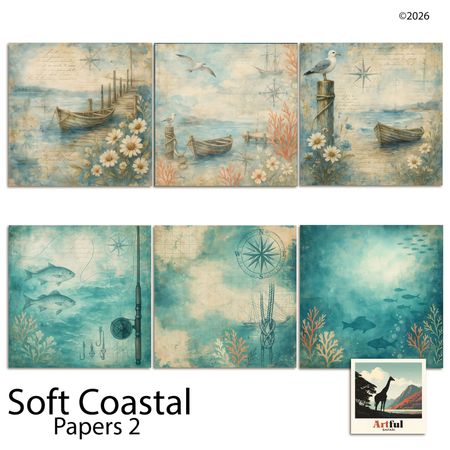
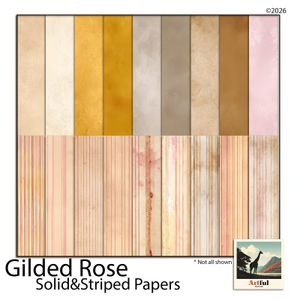
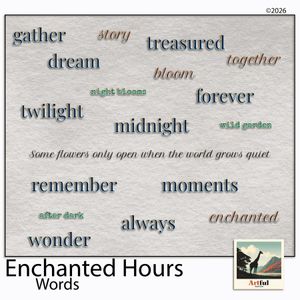
Kits from creators in our marketplace that match this article.
Related guides
MyScrapBook Studio Feature Guide: Everything You Can Do in the Free Version (2026)
The honest breakdown of what you get in the free version of MyScrapBook Studio — editor, templates, marketplace, and export. Find out if the free tier is enough before signing up.
Best Online Scrapbook Maker in 2026: What to Look For (And Try First)
What separates a purpose-built online scrapbook maker from a general design tool, the five criteria that matter most, and how MyScrapBook Studio performs across all of them.
Best Free Digital Scrapbooking Software for Beginners in 2026
The best free digital scrapbooking software for beginners in 2026 — compare MyScrapBook Studio, Canva, and Google Slides. No watermarks, no expiry, no card required.
What Is a Digital Scrapbooking Studio? (And Why It's Not Just Photo Editing)
What Is a Digital Scrapbooking Studio?